

Castor Oil for Skin: Old Remedy, New Research
Castor oil has been used on skin for centuries, and it's having a real resurgence right now. So what does it actually do, and where does the marketing get ahead of the science?
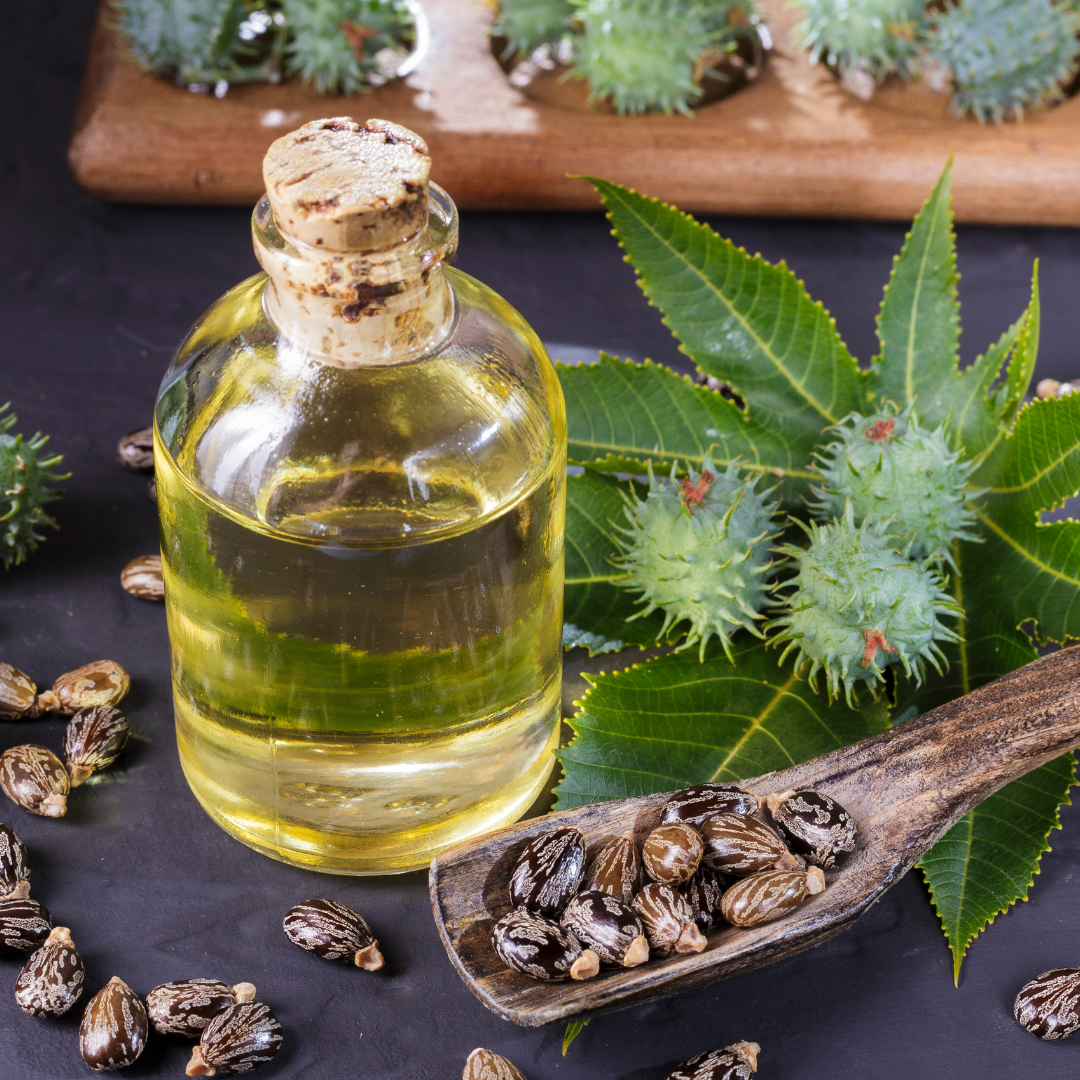
What Makes Castor Oil Different
Most plant oils are a blend of common fatty acids. Castor oil isn't. It's roughly 90% ricinoleic acid — a rare hydroxy fatty acid barely found anywhere else. That single compound is responsible for almost everything castor oil is known for: its thick texture, its ability to cling to skin, and its anti-inflammatory reputation.
The Anti-Inflammatory Claim Actually Holds Up
This is the part of castor oil's reputation with real mechanistic backing. Researchers have identified that ricinoleic acid activates specific receptors — EP3 and EP4 — the same receptor family prostaglandins use to regulate pain and inflammation. In animal studies where those receptors were removed, castor oil's effects disappeared entirely, which is unusually clean evidence for a traditional remedy. Topically applied ricinoleic acid has also been shown to reduce swelling and inflammatory response in experimental models.
What It's Genuinely Good At
The most honest claim for castor oil is also the least exciting one: it's an excellent moisturizer. Its thick, film-forming texture slows water loss and softens skin the way any good emollient oil does. Lab research has also found antibacterial activity against several common bacteria strains, though that's a different thing from proving it treats an active skin infection in a person.
Where the Evidence Runs Out
Here's where we stay honest instead of chasing a trend. Castor oil does not reverse wrinkles, and most anti-aging claims about it go well beyond what the research supports. Claims about dramatic wound healing also need a caveat — keeping a wound moisturized supports normal healing, but castor oil isn't a substitute for actual wound care. Most of the anti-inflammatory research so far has been done in labs and animal models, not in large human trials, so "may help" is more accurate than "proven to."
Why It's In Miracle Lip
Castor oil is one of four ingredients in Miracle Lip, chosen specifically for what the research does support: real anti-inflammatory activity and genuine moisture retention, both of which matter for skin as thin and exposed as your lips.
The Bottom Line
Castor oil isn't a miracle ingredient, and it doesn't need to be. The real science behind it — moisture retention and genuine anti-inflammatory activity — is reason enough to use it. Everything past that is marketing.
Disclaimer: Luna Lou products are handmade from natural ingredients and are not intended to diagnose, treat, cure, or prevent any disease. Statements about ingredient benefits are based on publicly available research and traditional use, and are provided for educational purposes only — they are not a substitute for professional medical advice. Always patch test new products before full use, and discontinue use if irritation occurs. If you are pregnant, nursing, managing a medical condition, or taking medication, consult a healthcare provider before use. Keep out of reach of children and pets unless a product is specifically labeled for that use.
References
Castor Oil for Skin: What It Really Does — and What It Can't. North Biomedical. https://northbiomedical.com/articles/castor-oil-for-skin/
Castor Oil Packs for Inflammation and Skin. HL Benefits. https://hlbenefits.com/castor-oil-packs-inflammation-detox-skin-health
